Real Estate Lead Routing Helps Brokerages Reply in Seconds
Real Estate Lead Routing Helps Brokerages Reply in Seconds
Insights
12 min
Automated, rules-based lead routing paired with instant automated first contact is the fastest way for brokerages to raise contact and conversion rates. It cuts the time between a lead raising their hand and an agent (or an AI agent) responding, which is the single factor most within your control. Set clear response-time SLAs with backup coverage, then track speed-to-first-contact and adjust your rules as the data comes in.
TL;DR:
The 2025 Realtors Technology Survey found social media generated 39% of agent leads, ahead of CRM systems at 23% and local MLS access at 17%.
Start with round robin for 30 days, then add territory or skill based rules where conversion data favors specialized agents.
Set a five minute response SLA with escalation coverage, and use an instant chat or SMS reply before an agent can respond.
Review median and 90th percentile first contact times weekly, alongside SLA contact rates, source based conversion, backup escalations, and manual reassignment rates.
Pilot one territory or lead source, then use weekly results and audit logs to coach agents and adjust rules rather than penalize missed windows.
DroxyReply to Real Estate Leads FasterDroxy deploys customizable AI agents across chat, phone, and messaging channels to answer customer inquiries instantly, helping brokerages reduce wait times.Explore Droxy
Table of Contents
What Lead Routing Is and How It Connects to Speed-to-Lead
Why Speed-to-Lead Matters More Than You Think
How Lead Routing Works: Rules, Triggers, and Integrations
Choosing a Routing Strategy for Your Team
Your Routing Implementation Checklist
Metrics That Tell You Routing Is Working
How No-Code AI Agents Fit Into a Routing Workflow
What I’d Tell Any Manager Rolling This Out
See Droxy’s Plans and Put Instant Routing to Work
Sources
What Lead Routing Is and How It Connects to Speed-to-Lead
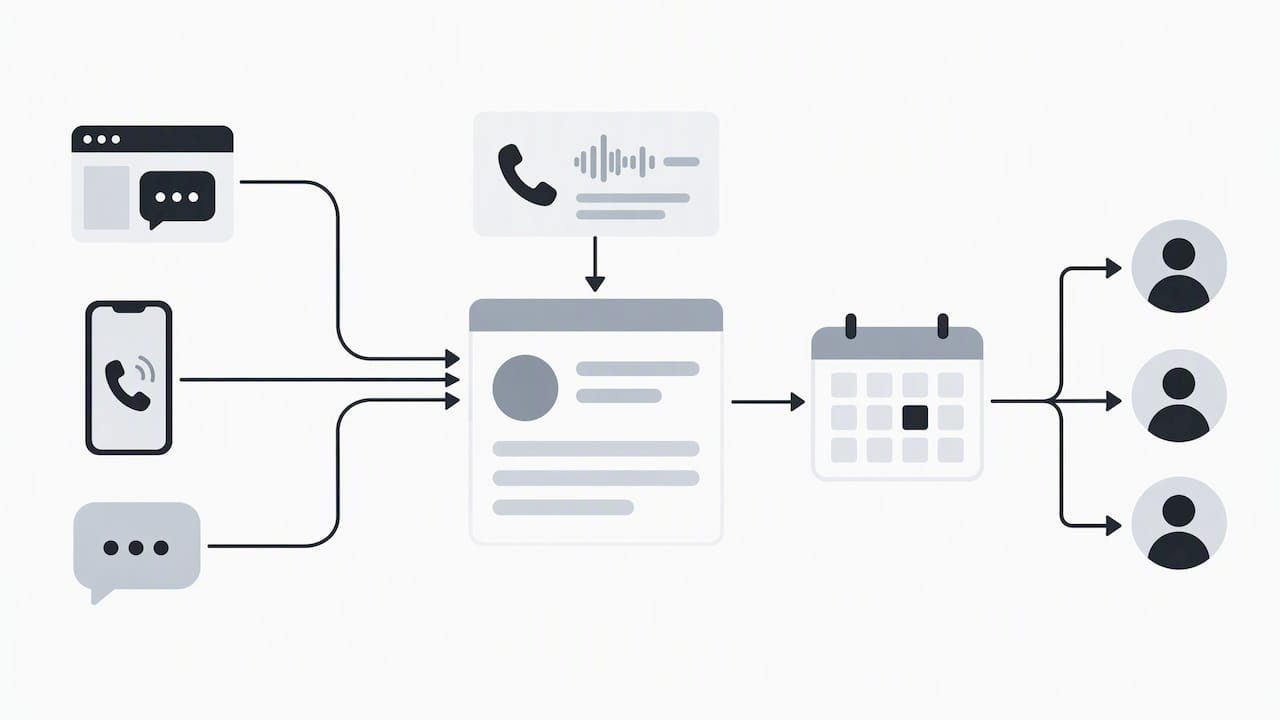
Lead routing is the set of rules that decide which agent receives a new inquiry and how fast they are notified. A lead can arrive through several channels, and your routing logic should treat them the same way once they hit your system:
A website form submission asking for a home valuation
An inbound phone call to a listing’s call-tracking number
A webchat or SMS conversation started from a portal ad
A message from Instagram, Facebook, or WhatsApp
Speed-to-lead is simply how long it takes your team to make first contact after that inquiry lands. Say a lead fills out a form for a $450,000 listing in a specific zip code. Good routing logic reads both fields, matches the price band and territory to the right agent’s profile, and fires a notification within seconds instead of waiting for someone to check a shared inbox.
Why Speed-to-Lead Matters More Than You Think
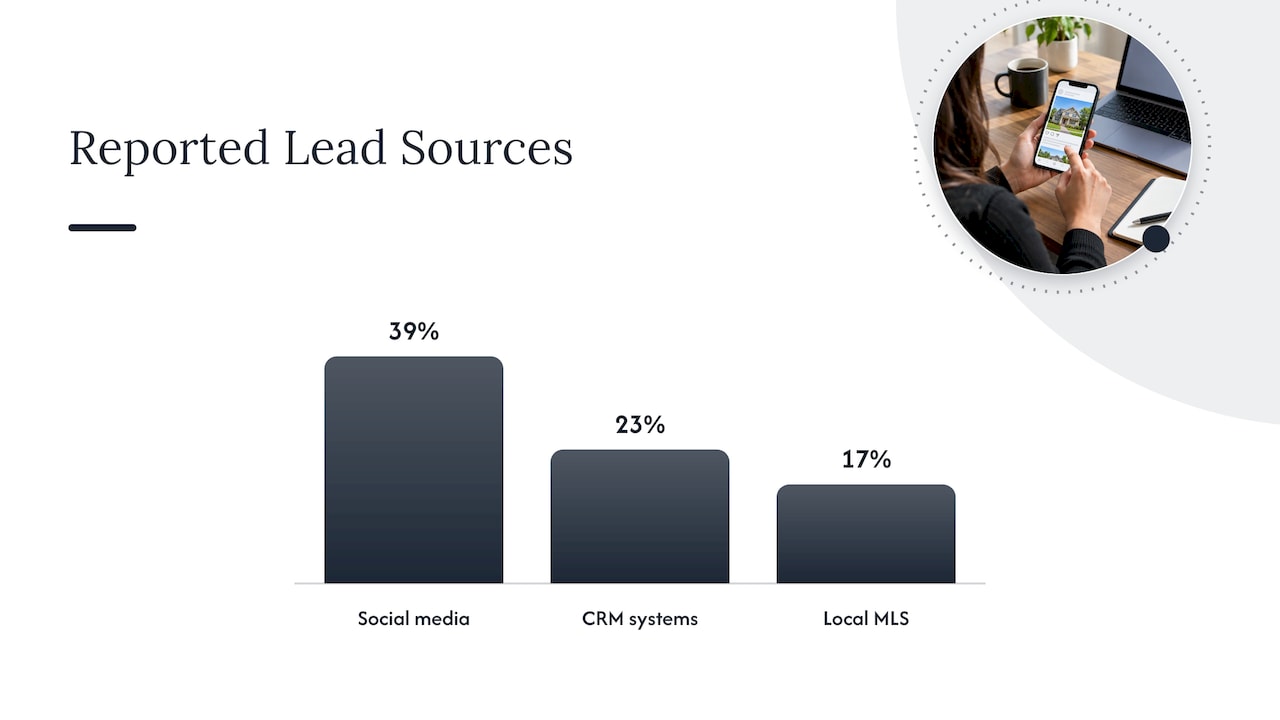
Response speed is not a nice-to-have; understanding the powerful ways to generate real estate sales leads helps tailor your routing approach to maximize conversions. The 2025 Realtors Technology Survey found that social media generates the most leads for agents at 39%, followed by CRM systems at 23% and local MLS access at 17%. That means most of your leads arrive through channels that reward a fast, automated reply, not a callback hours later.
Many agents in that same survey adopt new technology specifically to save time, and many say it improves the client experience. That is the business case in two numbers: tools that shorten your response window are not just convenient, they are what agents themselves say technology should deliver. When a lead has to wait, they often move on to whichever agent, portal, or brokerage responds first, which makes your routing setup a direct lever on how many of those leads convert into appointments.
How Lead Routing Works: Rules, Triggers, and Integrations
Routing rules fire off specific fields in an incoming lead record. The most common criteria include:
Territory or zip code, matched to an agent’s assigned farm area
Price range, so luxury or entry-level leads reach agents who specialize in that band
Agent specialty, such as new construction, relocation, or investment properties
Lead score, based on engagement signals like saved searches or repeat visits
Preferred language, when your market serves multiple language groups
Those rules need a trigger to run. Typical triggers include a new web form submission, an inbound call to a tracked number, a lead delivered from a paid ad, or an inquiry from a listing portal. Each trigger should push the lead into the same routing engine rather than creating separate, disconnected workflows per channel.
Before you turn routing on, confirm these integration points are connected: your CRM syncs lead fields in real time, your website chat widget passes conversation data into that CRM, your phone system logs call details against the right contact record, your messaging platforms (SMS, WhatsApp, Instagram, Facebook) feed the same pipeline, and agent calendars are visible so routing can check real availability before assigning a lead. Gaps in any of these create blind spots where a lead sits unassigned.
Choosing a Routing Strategy for Your Team
Different team structures call for different routing logic. Here is how the main strategies compare:
Round-robin distributes leads evenly across available agents, which works well for onboarding new agents or keeping a level playing field on a small team.
Territory or zip-code routing sends leads to the agent with local farm knowledge, which matters most in markets where neighborhood expertise drives trust.
Skill-based routing matches leads by price band or property type to agents who specialize in that segment, such as luxury listings or first-time buyer programs.
Priority routing flags high-value leads for your top performers, paired with backup and escalation rules so a lead never stalls if the primary agent misses the SLA window.
Most brokerages end up blending two of these, often territory routing as the base layer with priority escalation layered on top for your highest-intent leads.
Pro Tip: Start with round-robin for your first 30 days of data collection, then layer in territory or skill-based rules once you can see which segments actually convert faster with specialized agents.
Your Routing Implementation Checklist
Rolling out routing works best as a short, repeatable checklist rather than a one-time project. Before you flip the switch, run through these steps:
Define your SLA: a specific response window (commonly 5 minutes) and an escalation timeline if that window is missed
Map every incoming lead field (name, phone, zip code, price range, source) to a matching field in your CRM so nothing drops on transfer
Turn on instant automated responses by chat or SMS that confirm receipt and keep the lead’s original context attached
Set up real-time notifications to agents, with calendar checks built in so leads are not assigned to someone who is unavailable
Enable audit logs that record who was assigned, when, and whether the SLA was met, so you can coach based on real data
Each of these steps is small on its own, but skipping one tends to create the exact gap that lets a lead go cold.
Metrics That Tell You Routing Is Working
Once routing is live, track a short list of numbers instead of drowning in dashboards. Speed-to-first-contact, measured as both a median and a 90th-percentile figure, is your primary KPI because it reflects both typical performance and your worst-case delays. Alongside that, watch contact rate within your SLA window, conversion rate broken out by lead source, and how often leads escalate to a backup agent.
Agent compliance and routing accuracy round out the picture: if a meaningful share of leads are being manually reassigned after the fact, your rules need adjusting. Industry teams building out speed-to-lead automation generally treat these as the core set worth reviewing weekly rather than monthly, since routing problems compound fast when left unchecked.
How No-Code AI Agents Fit Into a Routing Workflow
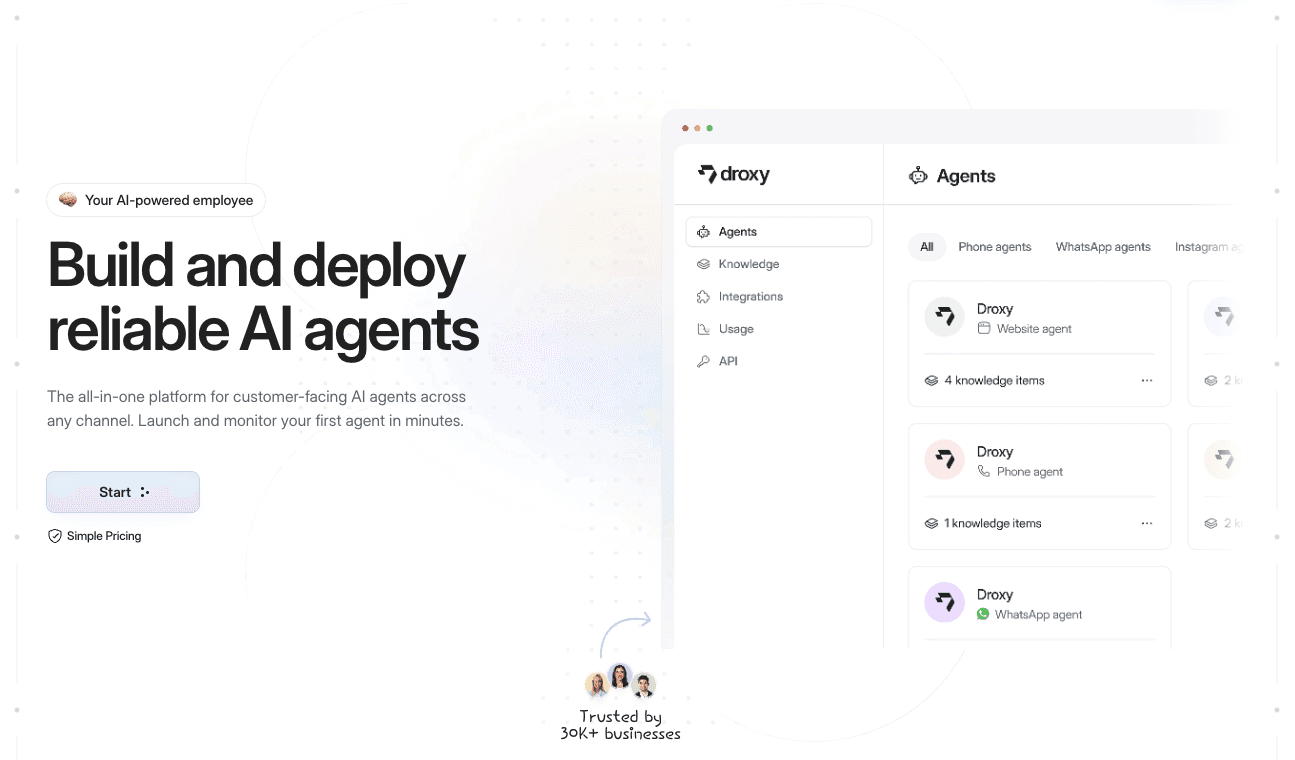
Once your rules and SLAs are defined, the remaining gap is usually the moment before a human agent can respond, especially nights, weekends, or busy open-house afternoons. We offer no-code AI agents deployed across website chat, phone, WhatsApp, Instagram, Facebook, and Shopify, each customizable to match your brokerage’s voice and trained on your listings and FAQs.
In a routing workflow, an AI agent typically handles:
Instant first contact the moment a lead reaches out, on any connected channel
Automated qualification questions (budget, timeline, financing status, preferred areas)
Calendar-aware appointment booking for showings or consultations
A clean handoff to the assigned human agent once the lead is qualified, with full conversation context preserved
Logging every interaction also gives managers a record to use for coaching, the same audit trail your routing checklist already calls for. Guides like how chatbots qualify leads and our real estate chatbot scripts walk through qualification scripts your team can adapt directly.
What I’d Tell Any Manager Rolling This Out
Run your first pilot on one territory or one lead source, not your whole pipeline at once. Check speed-to-first-contact weekly and let the numbers tell you where rules need adjusting, not gut feel. Use audit logs to coach agents on missed windows rather than to penalize them, and resist the urge to build ten rules on day one when two will show you what actually matters.
— Elena
See Droxy’s Plans and Put Instant Routing to Work
If lead latency is costing you contacts, we make it straightforward to close that gap without writing a line of code. Our AI agents cover website chat, phone, WhatsApp, Instagram, and Facebook, so wherever a lead reaches out, someone (or something) responds immediately and routes them to the right agent.
Deploy an AI agent on the channel where you lose the most leads today
Compare plan features and pricing on our pricing page
Test the full qualification-to-handoff flow with a live agent before committing
Start a trial through Droxy and see how quickly your first response time drops.
FAQ
What is lead routing?
Lead routing is the automated process of assigning an incoming inquiry, whether from a web form, phone call, or chat, to the right agent based on rules like territory, price range, or specialty. The goal is to get a qualified lead to the right person as fast as possible, without manual sorting.
What is the 3-3-3 rule in real estate?
Definitions of the 3-3-3 rule vary across sources and markets, so there is no single standardized version used industry-wide. Rather than rely on an unverified rule, focus your team on a documented SLA, such as a 5-minute response window, that you can measure and enforce.
Where do most realtors get their leads?
Social media is the top lead-generating technology for agents, followed by CRM systems and local MLS access, according to the 2025 Realtors Technology Survey. That mix shapes which channels your routing rules need to cover first.
What are the 7 types of leads in sales?
Sales lead categories vary by framework and industry, so there is no single agreed-upon list of seven types that applies universally to real estate. What matters more for routing purposes is classifying leads by source, intent, and price range so your rules can match them to the right agent.
How fast should an agent respond to a new lead?
Most routing SLAs target a response within 5 minutes of first contact, since interest and attention drop quickly the longer a lead waits. Pairing a fast SLA with an automated first response, even before a human agent engages, helps preserve that window.
Recommended
Automated, rules-based lead routing paired with instant automated first contact is the fastest way for brokerages to raise contact and conversion rates. It cuts the time between a lead raising their hand and an agent (or an AI agent) responding, which is the single factor most within your control. Set clear response-time SLAs with backup coverage, then track speed-to-first-contact and adjust your rules as the data comes in.
TL;DR:
The 2025 Realtors Technology Survey found social media generated 39% of agent leads, ahead of CRM systems at 23% and local MLS access at 17%.
Start with round robin for 30 days, then add territory or skill based rules where conversion data favors specialized agents.
Set a five minute response SLA with escalation coverage, and use an instant chat or SMS reply before an agent can respond.
Review median and 90th percentile first contact times weekly, alongside SLA contact rates, source based conversion, backup escalations, and manual reassignment rates.
Pilot one territory or lead source, then use weekly results and audit logs to coach agents and adjust rules rather than penalize missed windows.
DroxyReply to Real Estate Leads FasterDroxy deploys customizable AI agents across chat, phone, and messaging channels to answer customer inquiries instantly, helping brokerages reduce wait times.Explore Droxy
Table of Contents
What Lead Routing Is and How It Connects to Speed-to-Lead
Why Speed-to-Lead Matters More Than You Think
How Lead Routing Works: Rules, Triggers, and Integrations
Choosing a Routing Strategy for Your Team
Your Routing Implementation Checklist
Metrics That Tell You Routing Is Working
How No-Code AI Agents Fit Into a Routing Workflow
What I’d Tell Any Manager Rolling This Out
See Droxy’s Plans and Put Instant Routing to Work
Sources
What Lead Routing Is and How It Connects to Speed-to-Lead
Lead routing is the set of rules that decide which agent receives a new inquiry and how fast they are notified. A lead can arrive through several channels, and your routing logic should treat them the same way once they hit your system:
A website form submission asking for a home valuation
An inbound phone call to a listing’s call-tracking number
A webchat or SMS conversation started from a portal ad
A message from Instagram, Facebook, or WhatsApp
Speed-to-lead is simply how long it takes your team to make first contact after that inquiry lands. Say a lead fills out a form for a $450,000 listing in a specific zip code. Good routing logic reads both fields, matches the price band and territory to the right agent’s profile, and fires a notification within seconds instead of waiting for someone to check a shared inbox.
Why Speed-to-Lead Matters More Than You Think
Response speed is not a nice-to-have; understanding the powerful ways to generate real estate sales leads helps tailor your routing approach to maximize conversions. The 2025 Realtors Technology Survey found that social media generates the most leads for agents at 39%, followed by CRM systems at 23% and local MLS access at 17%. That means most of your leads arrive through channels that reward a fast, automated reply, not a callback hours later.
Many agents in that same survey adopt new technology specifically to save time, and many say it improves the client experience. That is the business case in two numbers: tools that shorten your response window are not just convenient, they are what agents themselves say technology should deliver. When a lead has to wait, they often move on to whichever agent, portal, or brokerage responds first, which makes your routing setup a direct lever on how many of those leads convert into appointments.
How Lead Routing Works: Rules, Triggers, and Integrations
Routing rules fire off specific fields in an incoming lead record. The most common criteria include:
Territory or zip code, matched to an agent’s assigned farm area
Price range, so luxury or entry-level leads reach agents who specialize in that band
Agent specialty, such as new construction, relocation, or investment properties
Lead score, based on engagement signals like saved searches or repeat visits
Preferred language, when your market serves multiple language groups
Those rules need a trigger to run. Typical triggers include a new web form submission, an inbound call to a tracked number, a lead delivered from a paid ad, or an inquiry from a listing portal. Each trigger should push the lead into the same routing engine rather than creating separate, disconnected workflows per channel.
Before you turn routing on, confirm these integration points are connected: your CRM syncs lead fields in real time, your website chat widget passes conversation data into that CRM, your phone system logs call details against the right contact record, your messaging platforms (SMS, WhatsApp, Instagram, Facebook) feed the same pipeline, and agent calendars are visible so routing can check real availability before assigning a lead. Gaps in any of these create blind spots where a lead sits unassigned.
Choosing a Routing Strategy for Your Team
Different team structures call for different routing logic. Here is how the main strategies compare:
Round-robin distributes leads evenly across available agents, which works well for onboarding new agents or keeping a level playing field on a small team.
Territory or zip-code routing sends leads to the agent with local farm knowledge, which matters most in markets where neighborhood expertise drives trust.
Skill-based routing matches leads by price band or property type to agents who specialize in that segment, such as luxury listings or first-time buyer programs.
Priority routing flags high-value leads for your top performers, paired with backup and escalation rules so a lead never stalls if the primary agent misses the SLA window.
Most brokerages end up blending two of these, often territory routing as the base layer with priority escalation layered on top for your highest-intent leads.
Pro Tip: Start with round-robin for your first 30 days of data collection, then layer in territory or skill-based rules once you can see which segments actually convert faster with specialized agents.
Your Routing Implementation Checklist
Rolling out routing works best as a short, repeatable checklist rather than a one-time project. Before you flip the switch, run through these steps:
Define your SLA: a specific response window (commonly 5 minutes) and an escalation timeline if that window is missed
Map every incoming lead field (name, phone, zip code, price range, source) to a matching field in your CRM so nothing drops on transfer
Turn on instant automated responses by chat or SMS that confirm receipt and keep the lead’s original context attached
Set up real-time notifications to agents, with calendar checks built in so leads are not assigned to someone who is unavailable
Enable audit logs that record who was assigned, when, and whether the SLA was met, so you can coach based on real data
Each of these steps is small on its own, but skipping one tends to create the exact gap that lets a lead go cold.
Metrics That Tell You Routing Is Working
Once routing is live, track a short list of numbers instead of drowning in dashboards. Speed-to-first-contact, measured as both a median and a 90th-percentile figure, is your primary KPI because it reflects both typical performance and your worst-case delays. Alongside that, watch contact rate within your SLA window, conversion rate broken out by lead source, and how often leads escalate to a backup agent.
Agent compliance and routing accuracy round out the picture: if a meaningful share of leads are being manually reassigned after the fact, your rules need adjusting. Industry teams building out speed-to-lead automation generally treat these as the core set worth reviewing weekly rather than monthly, since routing problems compound fast when left unchecked.
How No-Code AI Agents Fit Into a Routing Workflow
Once your rules and SLAs are defined, the remaining gap is usually the moment before a human agent can respond, especially nights, weekends, or busy open-house afternoons. We offer no-code AI agents deployed across website chat, phone, WhatsApp, Instagram, Facebook, and Shopify, each customizable to match your brokerage’s voice and trained on your listings and FAQs.
In a routing workflow, an AI agent typically handles:
Instant first contact the moment a lead reaches out, on any connected channel
Automated qualification questions (budget, timeline, financing status, preferred areas)
Calendar-aware appointment booking for showings or consultations
A clean handoff to the assigned human agent once the lead is qualified, with full conversation context preserved
Logging every interaction also gives managers a record to use for coaching, the same audit trail your routing checklist already calls for. Guides like how chatbots qualify leads and our real estate chatbot scripts walk through qualification scripts your team can adapt directly.
What I’d Tell Any Manager Rolling This Out
Run your first pilot on one territory or one lead source, not your whole pipeline at once. Check speed-to-first-contact weekly and let the numbers tell you where rules need adjusting, not gut feel. Use audit logs to coach agents on missed windows rather than to penalize them, and resist the urge to build ten rules on day one when two will show you what actually matters.
— Elena
See Droxy’s Plans and Put Instant Routing to Work
If lead latency is costing you contacts, we make it straightforward to close that gap without writing a line of code. Our AI agents cover website chat, phone, WhatsApp, Instagram, and Facebook, so wherever a lead reaches out, someone (or something) responds immediately and routes them to the right agent.
Deploy an AI agent on the channel where you lose the most leads today
Compare plan features and pricing on our pricing page
Test the full qualification-to-handoff flow with a live agent before committing
Start a trial through Droxy and see how quickly your first response time drops.
FAQ
What is lead routing?
Lead routing is the automated process of assigning an incoming inquiry, whether from a web form, phone call, or chat, to the right agent based on rules like territory, price range, or specialty. The goal is to get a qualified lead to the right person as fast as possible, without manual sorting.
What is the 3-3-3 rule in real estate?
Definitions of the 3-3-3 rule vary across sources and markets, so there is no single standardized version used industry-wide. Rather than rely on an unverified rule, focus your team on a documented SLA, such as a 5-minute response window, that you can measure and enforce.
Where do most realtors get their leads?
Social media is the top lead-generating technology for agents, followed by CRM systems and local MLS access, according to the 2025 Realtors Technology Survey. That mix shapes which channels your routing rules need to cover first.
What are the 7 types of leads in sales?
Sales lead categories vary by framework and industry, so there is no single agreed-upon list of seven types that applies universally to real estate. What matters more for routing purposes is classifying leads by source, intent, and price range so your rules can match them to the right agent.
How fast should an agent respond to a new lead?
Most routing SLAs target a response within 5 minutes of first contact, since interest and attention drop quickly the longer a lead waits. Pairing a fast SLA with an automated first response, even before a human agent engages, helps preserve that window.
Recommended


🚀
Powered by Droxy
Turn every interaction into a conversion
Customer facing AI agents that engage, convert, and support so you can scale what matters.
✨
Learn more
Recent posts
Insights
3 min read
Introducing Agent Memories
Improve your agents' performance with Agent Memories. Prevent agents from repeating the same mistakes by giving them feedback.
Read more

Insights
15 min read
HVAC Marketing in 2025: The Definitive Lead Gen Guide
Discover 15 proven HVAC marketing strategies, plus learn how Droxy's AI website agent converts curious visitors into qualified leads by answering their questions instantly - right when they're most interested in your services.
Read more

Insights
10 min read
10 Best AI Sales Agents in 2025: Tested & Ranked
Discover the top 10 AI sales agents of 2025, designed to enhance lead generation, personalize outreach, and ultimately, close more deals
Read more
Insights
3 min read
Introducing Agent Memories
Improve your agents' performance with Agent Memories. Prevent agents from repeating the same mistakes by giving them feedback.
Read more
Insights
15 min read
HVAC Marketing in 2025: The Definitive Lead Gen Guide
Discover 15 proven HVAC marketing strategies, plus learn how Droxy's AI website agent converts curious visitors into qualified leads by answering their questions instantly - right when they're most interested in your services.
Read more